French Toast: the toast we call French
A look into the history and variations of the king of brunch
Jul 3rd, 2018
Jul 3rd, 2018
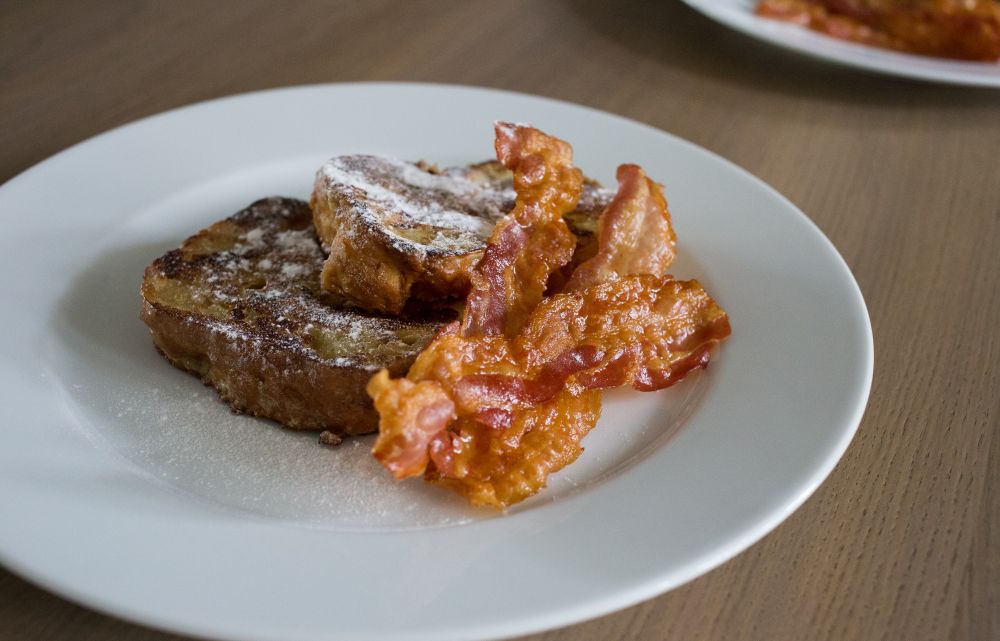
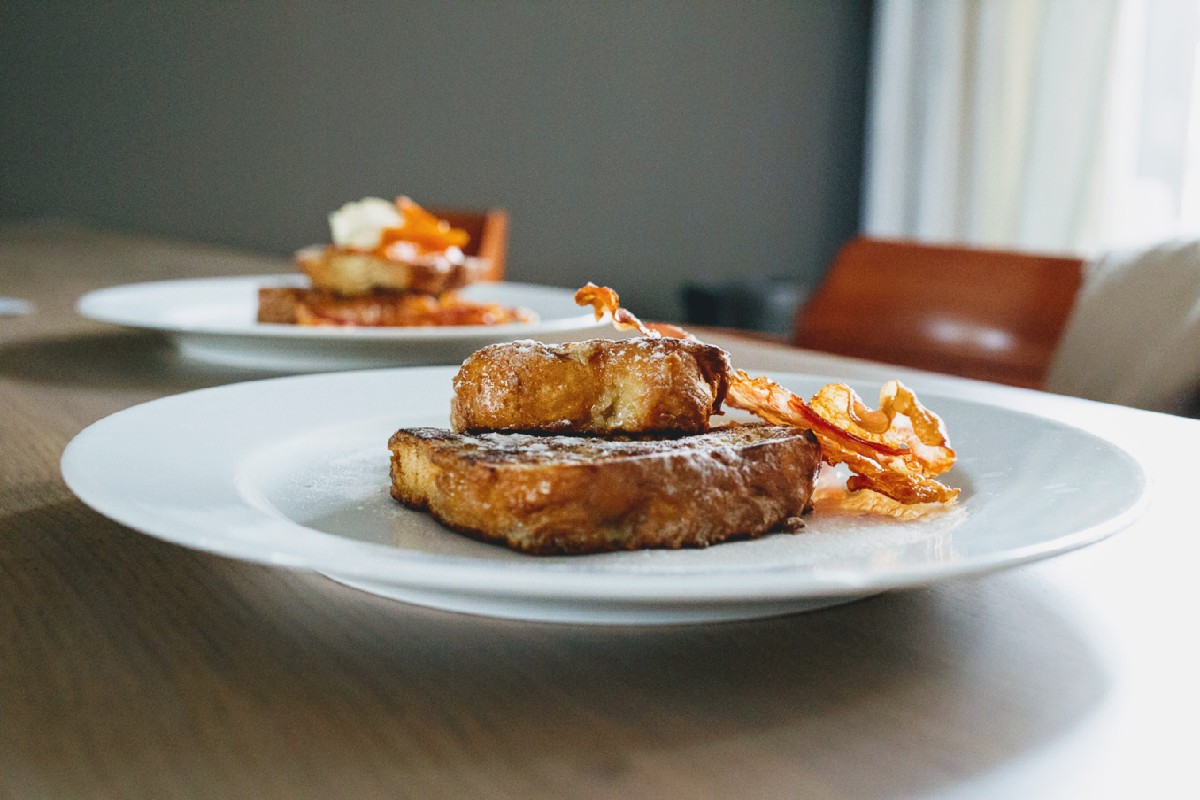
French toast got into my heart when I started to have brunches and lunches actively outside of my house. There was possibly not a single day I didn’t run into fancy brunch pictures on my social media sites and French toast is one of the top contenders therein. And they're fluffy and crispy at the same time with various toppings and flavors.
The Romans were the first to mention this battered bread delight in a cookbook called Apicius: Cookery and Dining in Imperial Rome (a book that made me go ‘uuuu thats neat’). The cookbook is fully available online in English if you are up for some cool recipes including traditional rose wine, how to cook fresh ham, or to make a pumpkin pie.. The brief recipe in the book is white bread, without the crust, broken and dipped into a mixture of egg and milk, fried in oil and served with honey drizzled on the top. Surprisingly enough thousands of years later this is still the core of the dish.
The dish became popular after this, and manages to travel through the Spanish, French and German cuisine throughout the years. It starts taking names such as Pain Perdu—the lost bread. The name likely comes from them using old (rather than new) bread, as it would be thrown out if not for this delicious egg-and-milk-soaked treat, but it could also be referring to the bread inside the batter, sinking and lost.
Usage of old BREAD is suggested in most modern recipes and it seems true that old bread soaks up more liquid and does not get as mushy as if you would do it with freshly baked bread. Oder recipes tend to go for fresh white bread however, because it shows status and wealth. Brioche or challah bread would be the perfect recreations of this fine white bread then used.
For sweet French toasts my choice of bread is sugar bread (Dutch: suiker brood): a simple white bread with a nice crust. Let it rest for a day or two. It goes especially well with savoury topping.
For the BATTER the base are the eggs. This is where some of the other name of french toast originates, such as eggy bread, or bread with fur. Most of the recipes are whisking up the eggs and adding some milk, sour milk, or cream to create a custard-like texture and flavour. Some of these recipes are adding sugar at this point, which makes the whole toast slightly caramelise in the pan. Commonly used spices are pungent spices such as cinnamon, nutmeg and cloves. For me, using both the egg yolk and the egg white beaten together with a splash of milk and a pinch of cinnamon gives the best results.
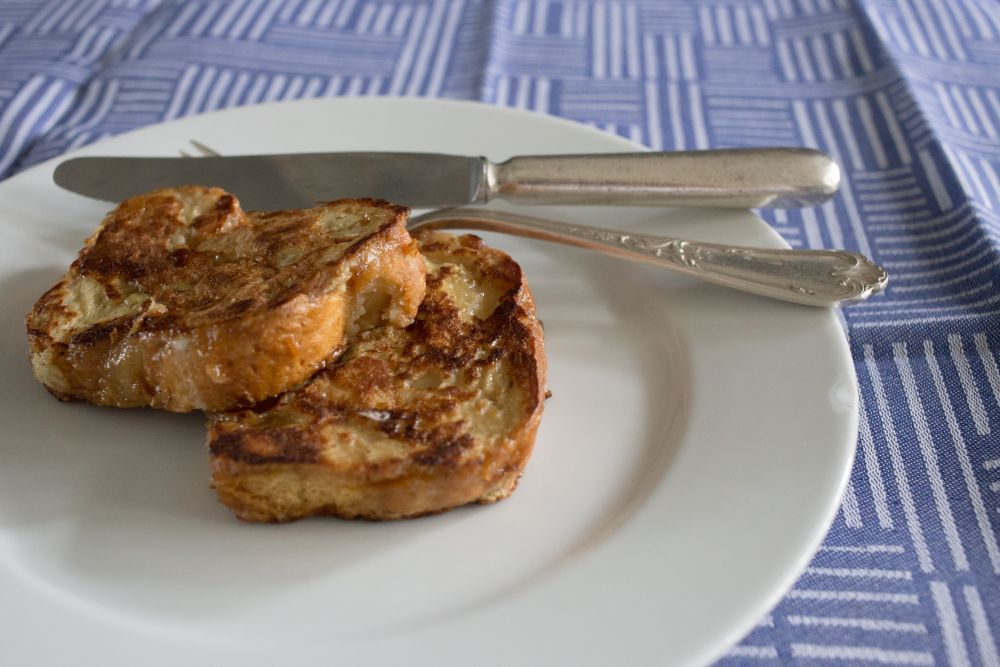
SOAKING TIMES are different, I was very surprised to read about over night soaking, but I dont want to have a soggy french toast, I like it when it's crisp on the outside and fluffy in the inside. I like to soak the first side for 5 seconds, then the second side for 3 seconds on a slice of white bread or brioche of about 2.5cm (1 inch) thick. For me that's a perfect soaking time.
FOR BAKING the original recipes go for either oil or butter. I prefer butter, as it helps develop a custardy taste with milk sensations that I’m aiming for with my sweet French toast. I recommend using clarified butter as regular butter burns: by the time I would have a perfectly cooked second side, my butter will have changed in flavour.
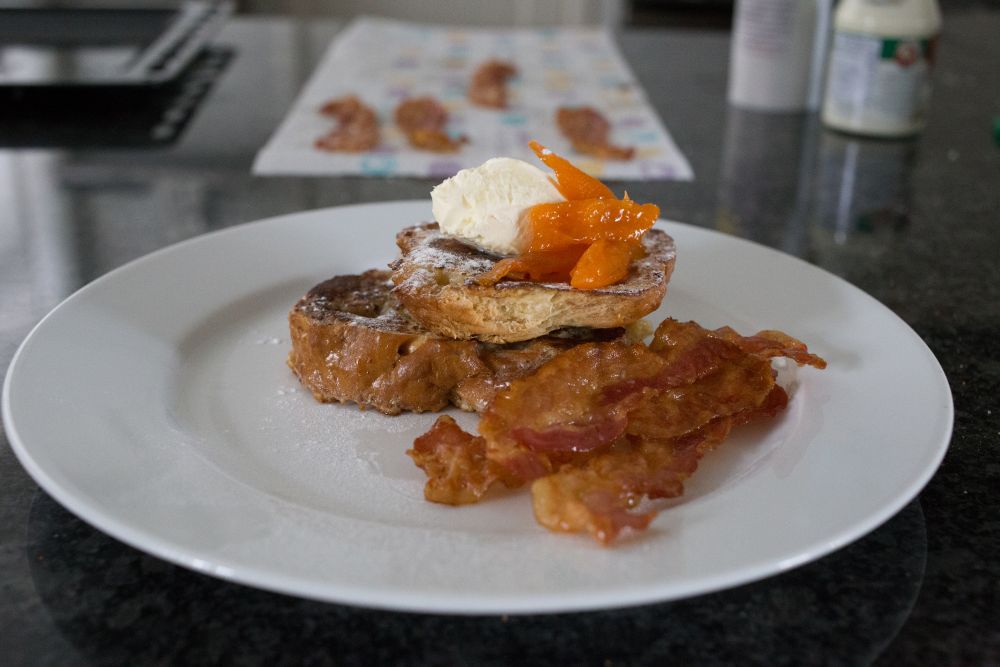
FOR TOPPINGS it really depends on what you like. Originally it was served with drizzled honey on the top, which in time was changed to sugar or golden syrup. It works amazingly well with different toppings such as maple syrup and butter, peanut butter, fresh berries, or lively jams (great for a sleepy morning energy boost). But let us also not forget about either Nutella or crispy bacon (as they are good on anything).