Elderflower Syrup: the base recipe for the body and soul
Elderflower is the cream colored flower of the elder bush (also known as the elder berry bush). I'm sure Harry Potter fans are excited at this point as the Elder wand is made out of the wood of this bush: a tricky substance that only wizards that have mastered death can control...
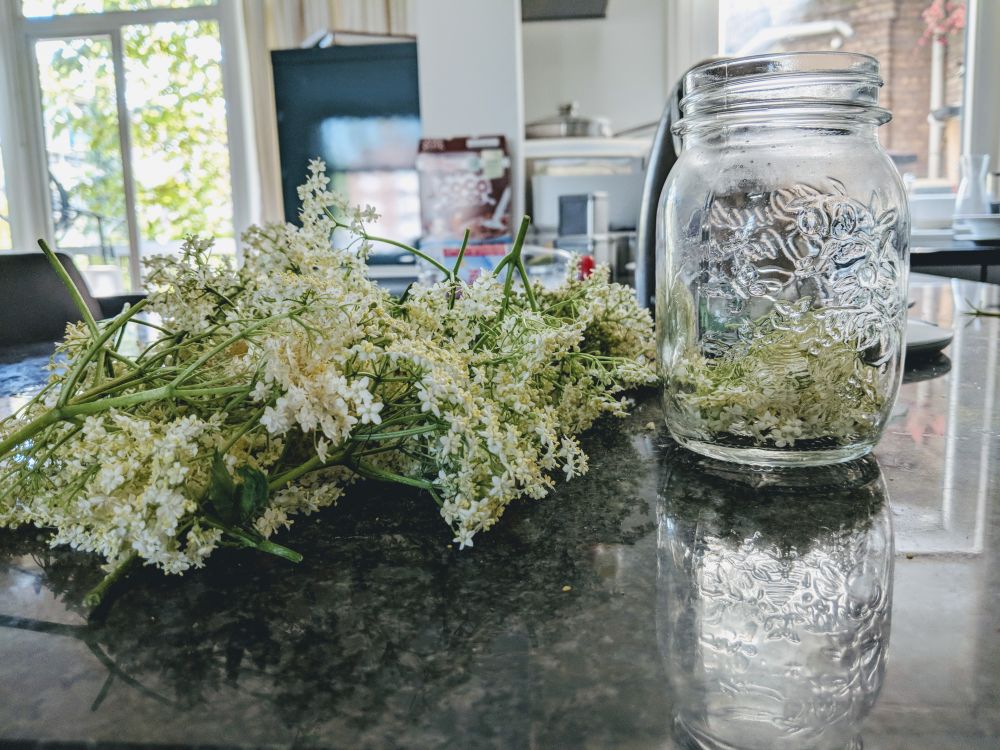
Apart from the favorite children's book of mine, elder was also used in the time of Hippocrates, Dioscorides and through the centuries by many other ancient herbalists. Supposedly Judas was hanged on an elder tree and our lord and savior Jesus Christ was crucified on a cross made out of elder wood. According to British scientists a spirit known as the Elder Mother lives inside of these trees. She would protect anyone who would use her gifts for good, and healing, ward off all the evil. But if you dared cut down her tree without chanting a specific chant for her, she would take revenge on you.
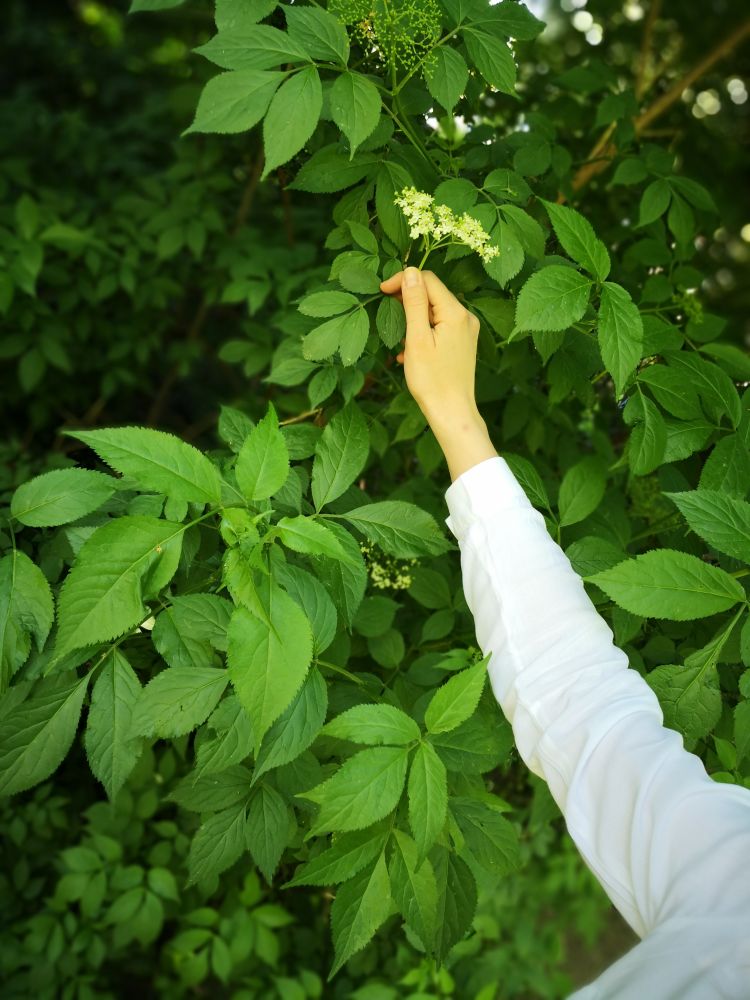
The Latin name of the tree is Sambucus. It already appeared in the writing of Pliny—a natural philosopher and author in the Roman Empire— back in the year AD 45. The name allegedly relates back to a Roman musical instrument called the sackbut which was made out of elder tree. This is the reason why the plant was considered not just the healer of the body, but also of the soul.
The real story is that the elder bush/tree is a genus of the flowering plants in the family of Adoxaceae. It has opposite arranged leaves with 5-9 leaflets, with serrated margins. They have large clusters of small cream colored flowers and they followed by blueish black colored berries. But be aware, because the leaves and roots of the plant are poisonous to humans.
Summer should start with the flowering of the elder tree and end with the ripening berries, and is still used for its alleged healing properties. Even though this might not be true, the deliciousness and diverse use of the plant convinced many about the powers of it. The flower of the tree can be used for many liquids: syrups, cordials, tinctures and liqueurs. And the fruit can be dried, then cooked and turned into all sorts of liquid delights.
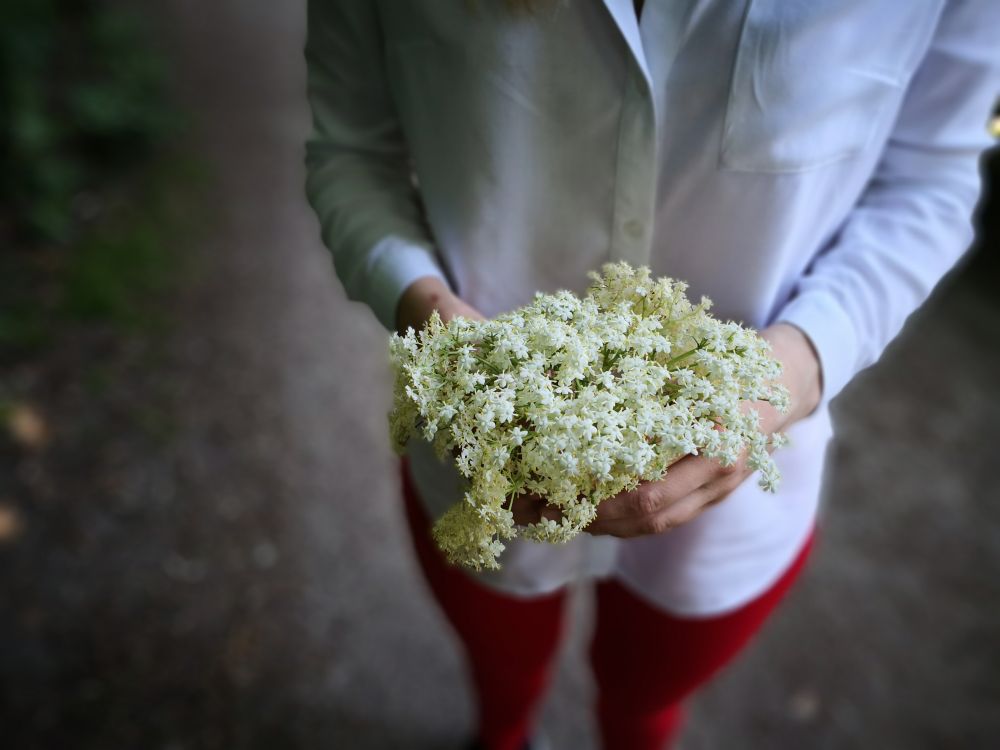
The flowers have a very unique floral taste, one that is close to my heart. Where I grew up we had a few of these bushes. The beginning of summer started with foraging this flower and making a huge amount of syrup out of them that hopefully lasted till the next season. In reality we drank it all up in a month or so. I sort of forgot about the craze of elder flower and how much I love it until I came across it in a park while cycling home after a hectic day at work. You can notice them from a distance as they have a distinct smell that I simply can't resist. And they are so easy to forage and use. Here is a simple recipe where I focus mainly on the pure flavours of the flower, combined with only sugar and water. Nothing fancy, but delicious and a great base for further experimentation with ingredients such as lemon peels and/or citric acid.
Some tips:
- The flavour we are looking for is in the pollen of the flowers. This mean you will not want to harvest your elderflower right after it has rained, as it will diminish the pollen count. Instead, go for when the sun is high and go for the ones directly in the sun. The more yellow pollen stains on your clothes, the better.
- For the same reason, do not wash the flowers with water. Remove any noticeable dirt by hand. Any tiny insects or other tiny, unwanted elements should not change the flavour noticeably and will disappear during the filtration process at latest, anyway.
- Try to pick the best flowers from as many trees as possible, rather than focussing on getting everything from a single tree.
- Elderflower is a source of naturally occuring (wild) yeast. For this reason, it can in most cases be used as a starter base for alcoholic (elderflower) beverages simply by allowing the elderflowers to ferment naturally. Elderflower champagne is the common name for this product, often consisting merely of water, sugar, citrus and elderflower.
- This ought to also tell you why it's useful to keep the syrup sitting in the fridge whilst making it: you don't want to accidentally start a fermentation process (on purpose, however...).
- This syrup—much like the well-known elderflower liqueur St-Germain—will go well in a bevy of drinks and cocktails, including Gin and Tonics, in Champagne or just topped up with soda. But let your creativity go wild, of course.
- And if your end-goal is to mimick St-Germain, combine this syrup with citric acid, a grape eau-de-vie and fresh citrus until the desired effect is reached. But this syrup will definitely not do under for it as-is.
- 250gr fine white sugar
- 250gr clean water
- 40gr freshly picked elderflower (only the flower part; no greens; unwashed with pollen still on it)
Ingredients
- Make a 1:1 sugar syrup by adding boiling water to sugar, stir, let it cool.
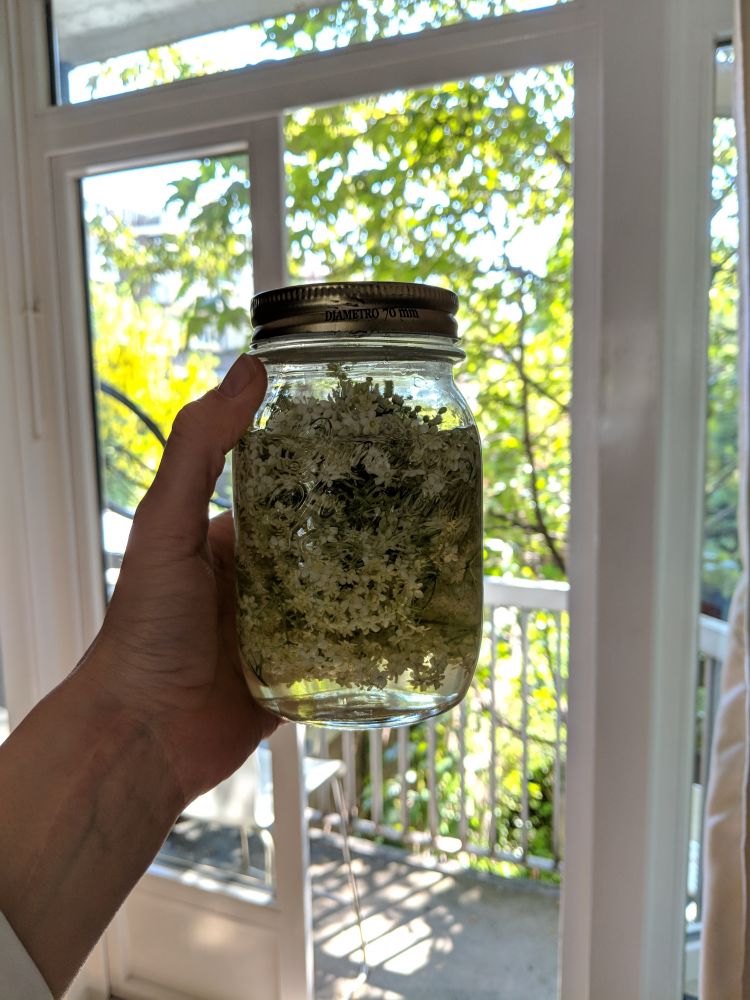
- Put elderflower in a clean jar—preferably sterilised
- Pour cold sugar syrup over the buds, close jar properly.
- Strain syrup through a fine strainer.
- Strain liquid through coffee filter until clear—or at least twice— to remove all leftover solids.
- Seal it properly in the vessel of your choice.
- After opening the bottle/jar store it in fridge for up to 2 months.
Method
Let it sit in a cold dark place for 48 hours.
This step is necessary as we would like to keep the syrup as pure as possible, and leftover bits can affect the flavour during storage.