Brandied Cherry: How to perfect the cherry on top
Nothing is worse than a great drink with a horrible garnish, or a beautiful meal with a horrible dessert. The cherry on the top is important, and never forget that. We are here to show you a foolproof recipe to make also those last touches perfect.
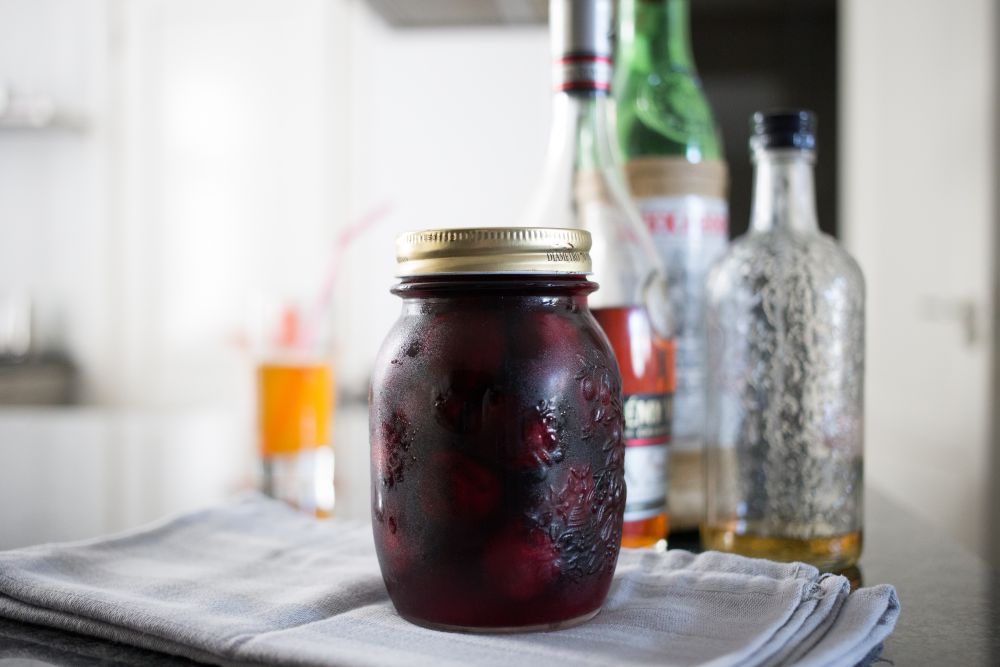
Preserving different types of fruits in alcohol dates back to as far as we have had spirits. The technique of putting fruit on alcohol was used to preserve as much fruit as possible at the end of the season, in order to minimize waste and to have delicious brandy-soaked treats during the cold winters. It was commonly used as (part of the) dessert back in the day. They would go by the name of brandied fruit.
Alcohol-preserved cherries (often called brandied cherries) are a commonly used cocktail garnish, and are mentioned in old recipes. Even though it's a very basic procedure, it's difficult to find good pre-made brandied cherries. You want to definitely stay away from the plastic-looking super-pink cherries on the market. They taste bad and also most of them will be preserved on sugar instead of alcohol. A popular upscale alternative is made by Luxardo (The Original Maraschino Cherries) and can be found in some high-end bars. They are decent, but contain many more ingredients (mostly preservatives) than required and do not have the kick, flexibility or gloriousness of homemade cherries. Take my word on this: these babies are very easy to make and the results are quite impressive. It's very important for the cherries to be in season when you make these, so the beginning of summer would be the ideal moment for most European countries. You can plan ahead and make numerous jars ahead of time: these preserved cherries easily stay good until next season. And they make for great presents as well.
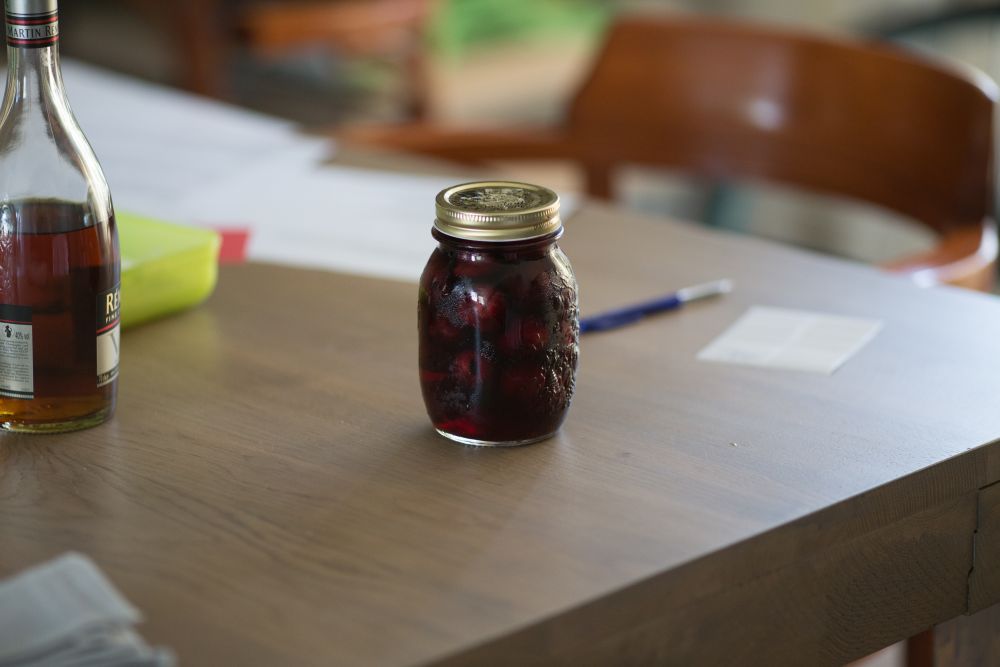
When you preserve fruit in alcohol the alcohol is a solvent, i.e. the alcohol extracts the aromatic compounds from the fruit and from its skin. This is a commonly used method of making neutral spirits into delicious liqueurs called infusion. Best example is limoncello where the solvent action of the alcohol takes all the aroma from the lemon zest and creates the base of the famous digestif...
There are a few things that I would recommend you to keep in mind...
- As is often the case, we want the highest quality base ingredient for this. If you are lucky enough to find yourself fresh sour cherries where you live, go for those. Most of us are not as lucky, so we'll be using black cherries instead. Make sure the fruit is as close to its ideal ripeness as you can get it.
- A higher-quality brandy will taste better. That does not mean we expect you to douse your cherries in Remy Martin Louis XIII. But try to skip out on cheap brandies meant for cooking.
- Make sure the fruit is fully covered by the alcohol mixture.
- Weigh your cherries after pitting them, not before, as the correct weight of the cherry is important in making sure the mixture has the right amount of alcohol (at least 20% ABV). You will otherwise risk ending up with a miture that gets spoiled. You don't want to wait a month just to get something awful out of the jar. Winter is terrible enough as-is.
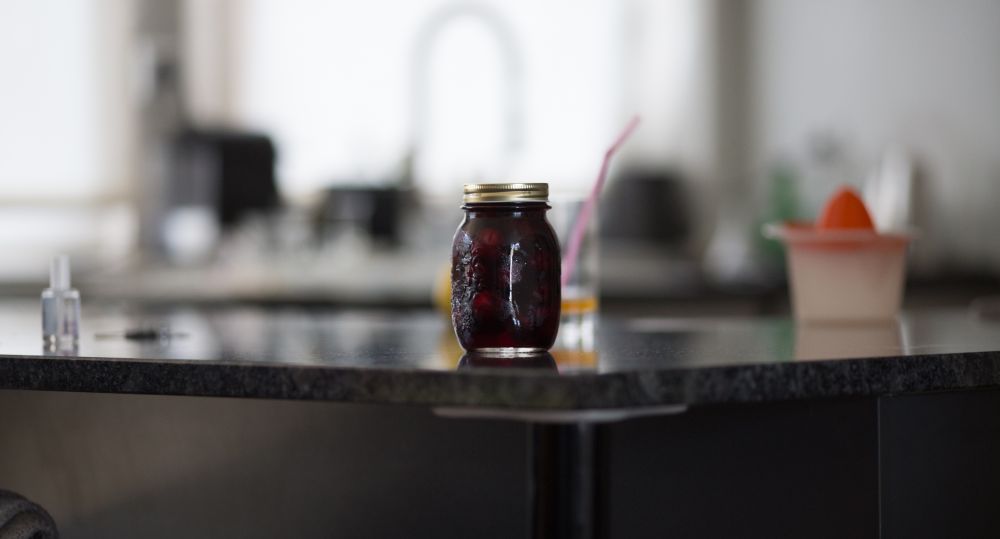
- 240gr pitted cherries (ideally sour cherries, but any type will suffice)
- 225ml brandy
- 75ml amaretto
- 75ml maraschino
- 20gr caster sugar
Ingredients
- Put pitted cherries in a jar, leaving space between the top and the cherries.
- Mix liquid ingredients together.
- Stir sugar into liquids until dissolved.
- Pour mixture over the cherries.
- Seal it properly.
- Refridgerate it for a month (no pre-tasting!).
- Open the jar.
Method
Eat. Garnish. Drink. Be merry